Spending 70% of your time manually researching candidate contact information instead of actually recruiting talent? You’re not alone. Most HR professionals find themselves drowning in incomplete databases, outdated phone numbers, and missing email addresses that turn promising leads into dead ends.
Data enrichment for hr contacts transforms this frustrating reality by automatically filling gaps in your talent database with verified, up-to-date information. Instead of hunting down contact details one candidate at a time, enrichment tools can add missing emails, phone numbers, job titles, and company information to hundreds of profiles simultaneously.
This comprehensive guide reveals how data enrichment tools can reduce your manual research time by up to 85% while improving candidate outreach response rates by 40-60%. We’ll explore the best data enrichment platforms for HR teams, implementation strategies, and compliance considerations to help you build a quality talent database that actually drives results.
Key Takeaways
HR data enrichment adds missing contact details, job titles, and company information to talent databases
Automated enrichment tools reduce manual research time by up to 85% for HR professionals
Quality enriched data improves candidate outreach response rates by 40-60%
Top HR data enrichment tools include LinkedIn Recruiter, ZoomInfo, Apollo.io, and Lusha for talent acquisition
GDPR and data privacy compliance is essential when enriching candidate contact information
Real-time enrichment helps maintain accurate talent pipelines and reduces outdated contact data
What is HR Data Enrichment?

Data enrichment is the process of supplementing existing candidate or employee records with additional, verified details to create more comprehensive and actionable HR databases. For HR teams, this means transforming basic candidate profiles containing just a name and company into rich talent profiles with verified contact details, current job titles, skills, education history, and social media profiles.
The data enrichment process works by integrating your existing HR systems with third-party data providers that maintain vast databases of professional information. When you upload a candidate list with basic details, data enrichment software automatically matches and appends missing information from these external sources.
How Enrichment Transforms Basic Candidate Information
Consider the difference between a typical ATS entry and an enriched profile:
Before enrichment:
Name: Sarah Johnson
Company: Tech Startup
Location: San Francisco
After enrichment:
Name: Sarah Johnson
Email: sarah.johnson@techstartup.com
Phone number: (415) 555-0123
Job title: Senior Software Engineer
Company: InnovateTech Solutions
LinkedIn profile: linkedin.com/in/sarahjohnson-eng
Skills: Python, React, Machine Learning
Years of experience: 5+ years
The Impact of Automated Data Enrichment on HR Workflows

This transformation enables personalized outreach, better candidate segmentation, and more effective talent relationship management. Most data enrichment tools integrate directly with popular Applicant Tracking Systems like Greenhouse, Workday, and Lever, ensuring enriched data flows seamlessly into your existing workflows. The difference between manual research and automated crm data enrichment is substantial. While manually enriching data might take 10-15 minutes per candidate, automated enrichment tools can process hundreds of profiles in minutes, freeing up recruiters to focus on relationship building and candidate engagement. Choosing the best data enrichment solution can significantly boost your HR team’s efficiency and candidate outreach success.
Why HR Teams Need Contact Data Enrichment
Incomplete candidate databases create significant challenges for HR teams trying to build effective talent pipelines. Without accurate data, recruiters waste countless hours on manual research, send emails to outdated addresses, and miss opportunities to engage passive candidates when they’re most receptive to new opportunities.
The Hidden Costs of Poor Data Quality
Research shows that HR professionals spend up to 70% of their time on manual data gathering activities instead of strategic recruiting work. This inefficiency compounds when teams attempt outreach with inaccurate data – bounced emails, disconnected phone numbers, and generic messaging that fails to resonate with candidates.
Poor contact data quality impacts every stage of the recruiting funnel:
-
Sourcing efficiency: Recruiters can’t effectively identify and reach qualified candidates
-
Outreach effectiveness: Generic messages to outdated contact information yield poor response rates
-
Pipeline management: Stale data makes it impossible to track candidate status and engagement
-
Candidate experience: Irrelevant or misdirected communications damage employer brand perception
Quantified Benefits of Quality Enriched Data
Teams that implement comprehensive data enrichment see measurable improvements across key recruiting metrics:
Time-to-hire reduction: Organizations report 25-35% faster hiring cycles when working with enriched candidate databases. Accurate contact details eliminate the back-and-forth of tracking down current information, while comprehensive profiles enable more targeted initial outreach.
Response rate improvements: Enriched data enables personalized messaging that resonates with candidates’ current situations and career interests. Teams consistently see 40-60% higher response rates compared to generic outreach attempts.
Recruiter productivity gains: By eliminating manual research tasks, recruiters can focus on high-value activities like candidate relationship building and interview coordination. This productivity boost often translates to 30-40% more qualified candidates per recruiter per month.
Pipeline quality enhancement: Real-time job change alerts and updated company information help teams prioritize outreach when candidates are most likely to be open to new opportunities, significantly improving conversion rates from initial contact to phone screen.
The business data available through enrichment also supports better segmentation and targeting strategies, allowing HR teams to create more effective marketing campaigns for different candidate personas and experience levels.
Best Data Enrichment Tools for HR Professionals

Selecting the right data enrichment tool depends on your team’s specific needs, budget, and existing tech stack. The most effective HR data enrichment solutions combine comprehensive databases with recruiting-specific features and seamless ATS integration.
When evaluating data enrichment platforms, consider these key criteria:
Database size and coverage: Larger databases typically provide better match rates for candidate profiles
Data accuracy rates: Look for tools claiming 85-95% accuracy on core fields like email and phone number verification
HR-specific features: Job change alerts, skills inference, and candidate engagement tracking
Integration capabilities: Native connections with your existing ATS and CRM systems
Compliance features: GDPR-compliant data sourcing and retention controls
LinkedIn Recruiter and Sales Navigator
LinkedIn Recruiter provides access to the world’s largest professional database with 875+ million profiles, making it the gold standard for HR data enrichment. The platform offers verified employment history, real-time job change notifications, and advanced search filters specifically designed for talent sourcing.
Key features for HR teams:
-
InMail credits for direct candidate outreach
-
Boolean search capabilities with 40+ search filters
-
Real-time alerts when target candidates change jobs or update profiles
-
Integration with major ATS platforms including Greenhouse and Workday
-
Talent pipeline management tools for tracking candidate engagement
Pricing and plans:
-
LinkedIn Recruiter Lite: $149/month per user
-
LinkedIn Recruiter: Custom enterprise pricing
-
Sales Navigator (limited HR features): $79/month per user
LinkedIn’s strength lies in its verified, self-reported data quality and real-time updates. However, contact details like direct email addresses and phone numbers may require additional verification through other tools.
ZoomInfo for Talent Acquisition
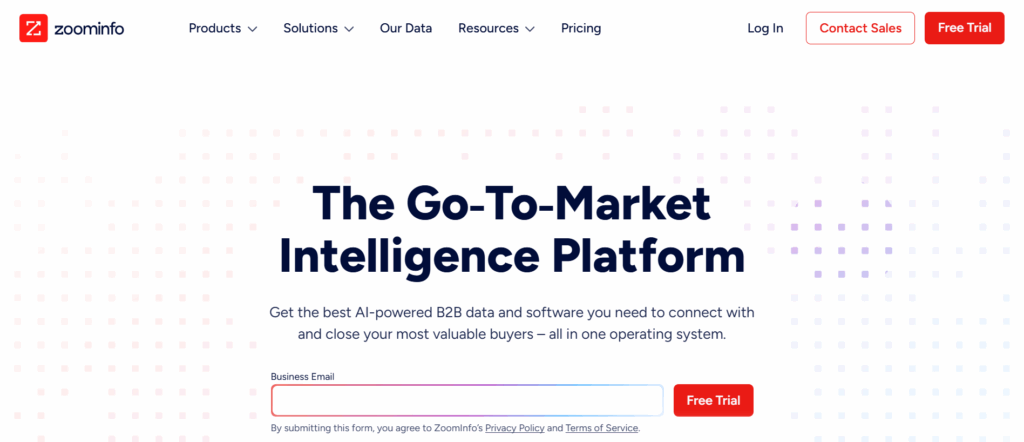
ZoomInfo maintains a database of 235+ million business professionals with emphasis on verified contact details and comprehensive company data. Their chrome extension enables real-time profile enrichment directly from LinkedIn and company websites.
Standout features:
-
Intent data showing professionals actively job searching or engaging with career content
-
Advanced technographic data for targeting candidates with specific technical skills
-
Automated contact details verification and regular database updates
-
Integration with popular CRM systems and most ATS platforms
-
Comprehensive reporting on data usage and campaign effectiveness
Pricing structure: ZoomInfo uses custom enterprise pricing based on team size and feature requirements. Most HR teams can expect costs ranging from $200-400 per user per month for comprehensive access.
The platform excels at providing detailed company information and buyer intent data, making it particularly valuable for teams recruiting in competitive tech markets where timing and personalization are critical.
Apollo.io for HR Teams

Apollo.io combines a contact database of 270+ million professionals with sequence automation tools, making it ideal for HR teams managing large-scale outreach campaigns. The platform’s strength lies in its comprehensive workflow automation and email verification capabilities.
Core capabilities:
Email finder and verification tools with 95%+ accuracy rates
Automated sequence creation for candidate nurturing campaigns
CRM integration for tracking candidate interactions and engagement
Lead scoring based on profile completeness and engagement signals
Bulk enrichment capabilities for processing large candidate databases
Pricing options:
Free plan: 250 daily emails and 120 monthly exports
Basic plan: $39/month per user
Professional plan: $79/month per user
Enterprise: Custom pricing for large teams
Apollo.io’s automation features make it particularly valuable for teams managing high-volume recruiting campaigns. The ability to create automated email sequences helps maintain candidate engagement throughout longer hiring processes.
Lusha for Recruiting

Lusha specializes in quick contact finding with a focus on GDPR-compliant data sourcing. Their chrome extension integrates directly with LinkedIn, enabling recruiters to enrich candidate profiles without leaving their browser.
Key differentiators:
Instant contact details retrieval from LinkedIn profiles
GDPR-compliant data sourcing with transparent opt-in tracking
Integration with popular ATS platforms and CRM systems
Bulk enrichment processing for large candidate lists
Real-time email verification to ensure deliverability
Pricing tiers:
Free plan: 70 monthly credits for small recruiting teams
Pro plan: $29/month per user for 480 monthly credits
Premium plan: $51/month per user for 960 monthly credits
Scale plan: $99/month per user for 2,400 monthly credits
Lusha’s emphasis on compliance makes it an attractive option for companies operating in regulated industries or managing global talent acquisition across multiple jurisdictions.
HR Data Enrichment Best Practices
Successful implementation of HR Contact Data Enhancement requires strategic planning, proper workflow design, and ongoing data quality management. The most effective HR teams treat enrichment as an ongoing process rather than a one-time project, integrating it seamlessly into their lead generation and recruiting workflows.
Establishing Data Quality Standards
Before implementing any enrichment tool, audit your existing database to establish baseline quality metrics. Track key data points like:
Contact completeness: Percentage of profiles with verified email addresses and phone numbers
Profile richness: Average number of data points per candidate record
Data freshness: How recently contact information was verified or updated
Accuracy rates: Percentage of successful outreach attempts using existing contact data
Set specific targets for improvement – for example, achieving 90% email coverage and 75% phone number coverage across your active talent pipeline within 90 days of implementation.
Creating Automated Workflows for Continuous Database Updates
The most powerful data enrichment tool delivers limited value without proper workflow automation. Design triggers that automatically enrich candidate data at key points in your recruiting process:
Real-time enrichment triggers:
New candidate applications through your ATS
Manual candidate additions by recruiters
Import of candidate lists from job fairs or networking events
Scheduled batch enrichment:
Monthly updates for active talent pipeline contacts
Quarterly refreshes for passive candidate databases
Annual comprehensive database cleansing and validation
On-demand enrichment scenarios:
Before launching targeted recruiting campaigns
When preparing for specific hiring initiatives
Prior to executive-level candidate outreach
Configuring Automatic Data Validation for Accurate Enrichment
Configure automatic data validation processes to flag potentially inaccurate information. Most data enrichment tools provide confidence scores for appended data – establish thresholds for accepting, flagging, or rejecting enriched information based on these scores to maintain the integrity of your lead database.
Implementing Data Validation and Quality Control
Maintain data accuracy through systematic validation processes:
Email verification: Use real-time email verification APIs to confirm deliverability before adding addresses to your database. This prevents damage to your domain reputation from bounced emails and ensures the data enrichment process maintains high data quality.
Phone number validation: Implement formatting standardization and basic validation checks to ensure phone numbers include proper country codes and follow expected patterns.
Duplicate detection: Run regular deduplication processes to identify and merge candidate records that may exist multiple times in your system with slight variations.
Data decay monitoring: Track engagement metrics like email open rates and response rates to identify when contact information may be becoming outdated.
Compliance and Privacy Considerations
HR Contact Data Enhancement must comply with increasingly strict privacy regulations across multiple jurisdictions. GDPR, CCPA, and similar laws require explicit consent for processing personal data and impose significant penalties for non-compliance.
GDPR Requirements for Processing Candidate Personal Data
Under GDPR, enriching candidate data requires a lawful basis for processing, typically either legitimate interest or explicit consent. HR teams must:
Document lawful basis: Clearly articulate why data enrichment serves legitimate business interests and conduct impact assessments to ensure processing is proportionate.
Obtain explicit consent: When relying on consent as your lawful basis, implement clear opt-in mechanisms that explain how enriched data will be used for recruiting communications.
Honor data subject rights: Provide mechanisms for candidates to access, correct, or delete their enriched data upon request.
Implement data retention policies: Establish clear timelines for how long enriched data will be retained and automatically purge outdated information.
Best Practices for Secure Data Storage and Third-Party Data Sharing
Vendor due diligence: Verify that your data enrichment software providers maintain appropriate security certifications and comply with relevant privacy frameworks.
Data encryption: Ensure enriched data is encrypted both in transit and at rest within your systems.
Access controls: Limit access to enriched data to team members who require it for legitimate recruiting activities.
Audit trails: Maintain logs of who accesses enriched data and how it’s used to support compliance reporting and investigation.
Cross-border considerations: Understand data residency requirements when enriching data for candidates in different countries or regions
Regional Privacy Laws and Compliance
Regional privacy laws like CCPA in California and PIPEDA in Canada impose additional requirements that may affect how you collect, store, and use enriched candidate data through data enrichment. Consult with legal counsel to ensure your enrichment practices comply with all applicable regulations.
Measuring ROI of HR Data Enrichment
Quantifying the return on investment from data enrichment requires tracking both cost savings from reduced manual work and revenue impact from improved recruiting outcomes.
Key Performance Indicators for Enrichment Success
Time savings metrics:
Average time spent on manual candidate research (before vs. after implementation)
Number of candidates processed per recruiter per week
Percentage of recruiting time allocated to relationship building vs. administrative tasks
Outreach effectiveness metrics:
Email delivery rates and bounce percentages
Response rates to initial candidate outreach
Conversion rates from first contact to phone screen
Pipeline quality metrics:
Average number of qualified candidates per sourcing campaign
Time-to-hire for positions using enriched vs. non-enriched candidate data
Offer acceptance rates for candidates sourced through enriched databases
Cost efficiency metrics:
Cost per qualified candidate (including enrichment tool costs)
Recruiting cost per hire across different sourcing channels
Return on investment from enrichment tool subscriptions
ROI Calculation Framework
Calculate enrichment ROI using this framework:
Cost savings calculation:
Previous manual research hours × hourly recruiter cost × number of candidates processed
Subtract: enrichment tool subscription costs and implementation time
Revenue impact calculation:
Improved time-to-hire × average cost of vacant position per day
Increased offer acceptance rates × average recruiting cost per failed hire
Enhanced recruiter productivity × average revenue per successful hire
Industry benchmarks suggest active recruiting teams typically see 300-400% ROI from comprehensive data enrichment within the first year of implementation. However, ROI varies significantly based on team size, recruiting volume, and previous data quality baseline.
Teams recruiting for high-value positions (executive roles, specialized technical positions) often see higher ROI percentages due to the significant cost of extended vacancy periods and failed hires, as well as the critical importance of accurate company details in their candidate evaluations. Using a quality HR Email list as part of the enrichment process can further enhance outreach effectiveness and candidate engagement.
Implementation Strategy for HR Teams
Successful data enrichment implementation requires careful planning, stakeholder buy-in, and systematic rollout across your recruiting organization.
Assessing Current Database Quality and Identifying Enrichment Needs
Begin with a comprehensive audit of your existing candidate database:
Data completeness analysis:
Calculate percentage of profiles missing key contact information
Identify most common data gaps (email, phone number, current job title, company details)
Assess data distribution across different candidate sources and recruiting channels
Data accuracy assessment:
Test sample of existing contact information for deliverability and accuracy
Review recent outreach campaigns for bounce rates and engagement metrics
Survey recruiting team about time spent on manual data research and verification
Integration requirements evaluation:
Document your current tech stack including ATS, CRM, and email marketing tools
Identify required API connections and data flow requirements
Assess internal technical resources available for implementation and ongoing management of data enrichment
Tool Selection Based on Team Size, Budget, and Technical Requirements
Match enrichment tools to your specific organizational needs:
Small teams (1-5 recruiters):
Consider freemium options like Lusha or Apollo.io free plans
Prioritize ease of use and chrome extension functionality
Budget $30-100 per user per month for basic enrichment capabilities
Medium teams (5-20 recruiters):
Evaluate comprehensive platforms like ZoomInfo or LinkedIn Recruiter
Require ATS integration and bulk enrichment capabilities
Budget $100-300 per user per month for advanced features
Large teams (20+ recruiters):
Focus on enterprise-grade solutions with advanced automation
Require comprehensive reporting and admin controls
Expect custom pricing discussions and implementation support
Connect with industry decision makers using an Industry Email List
Training Team Members on New Enrichment Workflows
Develop comprehensive training programs covering:
Technical skills:
How to use enrichment tools and chrome extensions
Proper data validation and quality control procedures
Integration workflows with existing ATS and recruiting tools
Compliance knowledge:
Privacy regulations affecting candidate data enrichment
Proper consent collection and documentation procedures
Data retention and deletion policies
Best practices:
When and how to enrich candidate data for maximum effectiveness
Personalizing outreach using enriched data points
Maintaining data quality through ongoing validation and updates
Plan for 2-4 weeks of transition time as team members adapt to new workflows and become proficient with enrichment tools. Provide ongoing support and refresher training to ensure consistent adoption across your organization.
FAQ
What types of data can be enriched for HR contacts?
Data enrichment tools can append email addresses, phone numbers, current job titles, company information, skills assessments, educational background, and social media profiles to existing candidate records. Advanced platforms may also provide behavioral signals like openness to new opportunities and recent career changes.
How accurate is automated HR data enrichment?
Leading data enrichment tools claim 85-95% accuracy rates for core contact information like email addresses and job titles. However, accuracy varies by geographic region, industry, and data freshness. Regular validation and updates are essential to maintain high data quality standards.
Is HR data enrichment legal and compliant?
Yes, when implemented properly with appropriate consent mechanisms and compliance controls. GDPR requires lawful basis for processing personal data, while CCPA and similar regulations mandate transparency about data collection and use. Always consult legal counsel to ensure compliance with applicable privacy laws.
How much does HR data enrichment cost?
Pricing varies significantly based on features and team size. Basic plans start around $29-39 per user per month, while comprehensive enterprise solutions like LinkedIn Recruiter begin at $149+ per user monthly. Enterprise platforms like ZoomInfo use custom pricing based on specific requirements.
Can enrichment tools integrate with our ATS?
Most data enrichment tools offer API integrations with major ATS platforms, including Greenhouse, Workday, Lever, and others. Integration capabilities vary by provider, so verify compatibility with your existing tech stack before selecting a solution.
How often should we enrich our candidate database?
For active recruiting pipelines, monthly enrichment maintains optimal data freshness. Passive candidate databases typically benefit from quarterly updates. Real-time enrichment for new candidate applications ensures immediate access to complete contact information for timely outreach.
HR Contact Data Enhancement represents a fundamental shift from manual research to automated intelligence gathering that enables more strategic, relationship-focused recruiting. By implementing the right tools and processes, HR teams can dramatically improve their efficiency while building stronger connections with top talent.
The investment in quality data enrichment pays dividends through faster hiring, better candidate experiences, and more productive recruiting teams. Start by assessing your current database quality and selecting the enrichment tool that best matches your team’s needs and technical requirements.